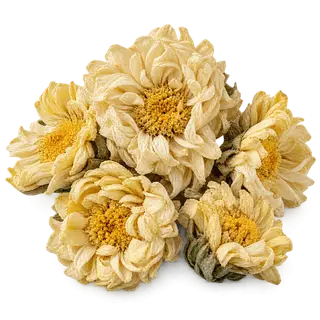
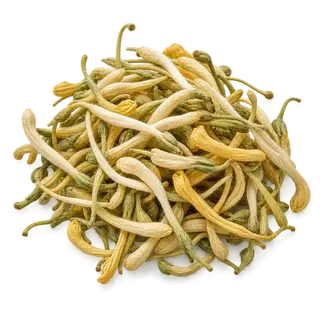
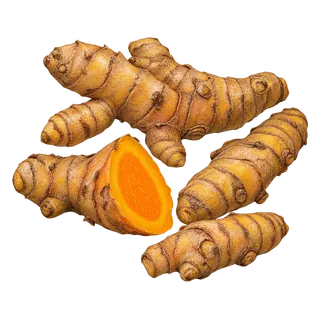
Remembering a position, recognising a name and explaining a difference are separate tasks. Each ZhongHe mode emphasises a different task. You do not need to play every mode in one sitting: choose the step that addresses what you find difficult.
Prepared for the ZhongHe website · AI-assisted · No claim of pharmacist review
AI-created learning illustrations, not a guide to identifying real specimens.
Start with a theme rather than a record score
Open Theme practice from the quiz and choose a material category. Read a few notebook notes from that category and select two names you often confuse. Describe a difference in your own words rather than remembering which answer was on the left. Theme scores remain separate from ordinary exploration records, so shorter practice pools do not compete unfairly.
Journal mastery is derived from local quiz answers, not every click across all games. Revealing a matching pair can add a discovery, but discovery is not proof of independent recognition. Read the attempt history, correct answers and review status together rather than treating a label as a professional qualification.
Use matching for positions and sorting for shared features
A small matching board helps you become familiar with a group of pictures. Remember the position and name after a reveal. A new round selects and shuffles again, so the previous layout is not a useful answer key. Start with fewer pairs when concentrating on details, then increase the board size.
Sorting groups differently shaped illustrations into the game categories. These are material-part categories, not medicinal effects. Roots and rhizomes are combined here, while fruits and seeds are separate; this does not imply interchangeability. After a mistake, read the note before trying again. Undo changes a placement, not the fact that a hint or mistake occurred.
After a wrong answer, compare before continuing
The quiz displays your chosen illustration beside the correct one after a mistake. State one shared feature and one visible difference. Two pictures can both be flowers while having different outlines or arrangements. Then compare your description with the notes and check that it came from the pictures rather than answer letters.
Hints can support learning, but assisted and independent answers are different evidence. The current review rule requires two consecutive unassisted correct answers to clear a material from review. A hinted success does not satisfy that condition. Continue practising later if an item remains due; there is no need to erase your save.
Order shifts add planning, not prescribing
Order Challenge shows three open illustration lists, eight lists per shift, nine shelf materials and a four-item box. Inspect which list is closest to completion before packing. You can return a piece to the shelf. An invalid delivery costs points without simply discarding your box contents.
Start with untimed Relaxed shifts to learn packing, returning and delivering, then try Rush. Consecutive unassisted deliveries earn chain bonuses; a hint lowers the assisted list’s base score. Quantities are game pieces, not grams. These lists are not prescriptions, combinations or instructions to consume anything.
Finish with an explanation, not just a number
Ask which two pictures you can now tell apart and why. If you can only repeat the names, use a smaller theme next time. If you can explain a difference, return to Explore to test it in a wider pool. The daily challenge uses a fixed set for the Malaysia date; memorising that answer sequence is not evidence of recognising unfamiliar pictures.
Language, scores, mastery and review stay in this browser without cross-device synchronisation. Active order boxes do not resume after refresh; journeys and daily challenges have their own local resume rules. Understand those differences before changing devices or clearing site data. There is no public ranking and no need to provide medical or identity records to practise.
Check your understanding
You match every pair, but still miss theme quiz answers. What next?
Compare your explanation
Keep the matching result and practise a smaller theme. Use the wrong-answer comparison to name a shared feature and a difference. Position memory accomplished one task; it does not prove independent recognition.
References and scope
This guide explains our game and editorial boundaries, not medical research. External references for appearance facts are in Look before naming; see the illustration guide and Contact for limitations and corrections.